ARUBA VIBES DAILY CARNIVAL GUIDE
Aruba Carnival
Plan Aruba's biggest celebration with one complete guide to parades, music, costumes, King Momo, Carnival Monday, transportation and practical visitor tips.
- 2026 Carnival dates checked
- Local Aruba planning insight
- Fast mobile-friendly guide
ARUBA'S BIGGEST CELEBRATION
More than a parade. Carnival is Aruba in full color.
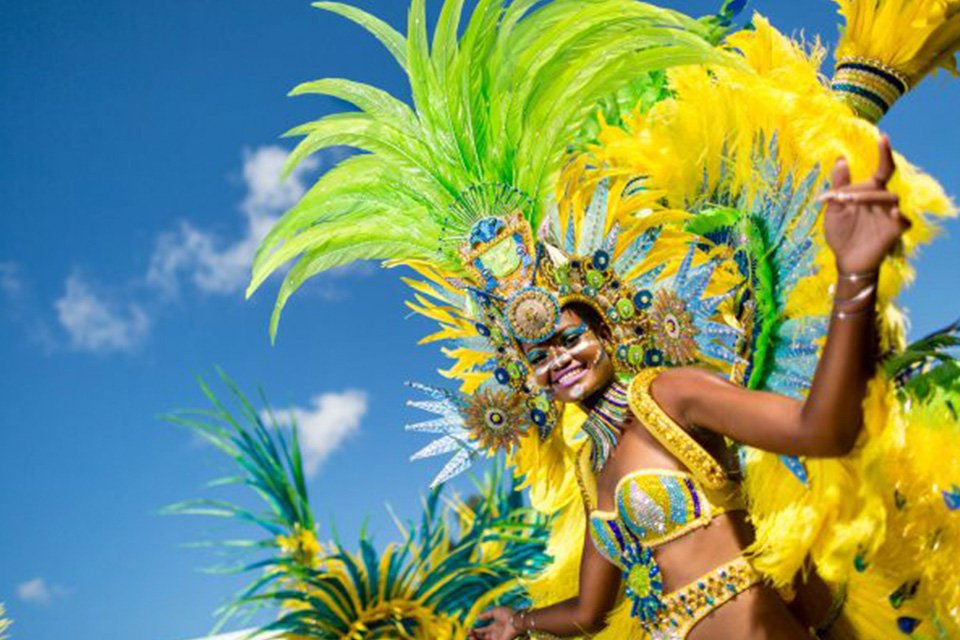
Aruba Carnival is one of the island's most important cultural traditions. For weeks, Aruba comes alive with music, elaborate costumes, dance, competitions, street celebrations, children's events, lighting parades and spectacular Grand Parades.
For visitors, Carnival is a chance to experience a different side of the island. Beyond the beaches and resorts, generations of families, musicians, designers, dancers and Carnival groups come together to celebrate Aruban creativity and community.
This guide explains how the season works, what the major events mean, where celebrations happen, what to bring and how to plan around crowds, heat and road closures.
THE FIRST-TIME VISITOR RULE
Treat a major parade as a full event, not a quick stop. Choose your viewing area early, carry water and settle your return transportation before road closures begin.
SEASONWeeks Of EventsThe active schedule builds from January toward the Grand Parade weekend.
MAIN CITIESTwo Carnival CentersOranjestad and San Nicolas host major parades and celebrations.
FINALEKing MomoThe symbolic burning marks the official close of the Carnival season.
ESSENTIALPlan Your RideRoad closures and crowds can change normal travel routes for hours.
CARNIVAL 72
Aruba Carnival 2026 key dates
The 2026 season culminated with the Grand Carnival Parade in Oranjestad on Sunday, February 15, followed by the official Carnival Monday holiday on February 16.
PLANNING A FUTURE CARNIVAL TRIP?
Check Official Carnival InformationConfirm the latest schedule before you go.
Parade dates, start times, routes and event programs change every year. Use this guide to understand Carnival, then check Aruba's current official calendar close to your trip.
01CULTURE & HISTORY
WHY CARNIVAL MATTERS
The story of Aruba Carnival
Aruba's modern Carnival tradition grew through the island's multicultural community. An early organized parade took place in San Nicolas in 1948, when costumed participants danced through the streets to steelband music during celebrations connected to Queen Wilhelmina's reign.
Celebrations expanded across the island during the following decades. The Stichting Arubaanse Carnaval was established in 1966 to help organize Carnival events and bring the season together.
Today, Carnival is a major expression of Aruba's creativity and community spirit. The work begins long before the biggest parades. Costumes are designed, music is written, groups rehearse, floats are prepared and families plan where they will gather along the route.
FROM OPENING NIGHT TO THE FINALE
The events that build Aruba Carnival
Carnival is a season rather than a single parade. The exact program changes each year, but these are the experiences visitors will hear about most often.
Torch Parade
A nighttime parade associated with the opening of the active Carnival period, filling Oranjestad with lights, music and dancing.
Queen Elections
Competitions celebrate presentation, performance, creativity, confidence and Carnival spirit across different age groups.
Music Competitions
Soca, calypso, roadmarch and tumba performers compete with songs that become part of the season's soundtrack.
Children's Events
Younger participants have dedicated parades and competitions filled with costumes, music, family crowds and local pride.
Lighting Parades
Thousands of lights transform costumes, road pieces and floats into one of Carnival's most memorable nighttime experiences.
Grand Parades
San Nicolas and Oranjestad bring Carnival groups, live music, elaborate costumes, floats and spectators together for the finale.
THE GRAND WEEKEND
San Nicolas and Oranjestad Grand Parades
The two Grand Parades are among the most anticipated events of Aruba Carnival. Each city offers its own atmosphere, route and place in the final weekend.
San Nicolas Grand Parade
San Nicolas has deep ties to Aruba's Carnival history. Its Grand Parade brings music, themed floats, elaborate costumes and dancing through the southern city.
- Usually held before the Oranjestad finale
- Strong local and community atmosphere
- Plan parking and return transportation early
Oranjestad Grand Parade
The major Oranjestad Grand Parade traditionally takes place on the Sunday before Ash Wednesday and brings the season toward its official conclusion.
- Large groups, floats and spectator crowds
- A long event that can continue for hours
- King Momo follows the final 2026 parade
02THE SOUND OF CARNIVAL
MUSIC THAT MOVES THE PARADE
Soca, roadmarch, calypso and tumba
You can see Carnival, but you also feel it through the music. Aruba's season includes soca, roadmarch, calypso and tumba traditions alongside live bands, percussion, brass and songs created to keep participants moving along the route.
Roadmarch is closely connected to the parade experience. Its upbeat, repetitive energy carries Carnival groups through hours of dancing. Music competitions also give performers a stage to compete for seasonal titles.
If you hear the same Carnival songs repeatedly during your visit, that is part of the experience. The season's popular tracks become a shared soundtrack across events, radio, parties and parades.
03ART IN MOTION
MONTHS OF CREATIVE WORK
Costumes and Carnival groups
Aruba Carnival costumes can be incredibly detailed, combining feathers, sequins, stones, headpieces, themed designs and vivid colors. What spectators see during the parade represents months of creative planning and preparation.
Participants generally join organized Carnival groups, each developing its own theme and presentation. Costumes, music, choreography, floats and group identity come together to create a moving performance along the route.
Visitors should keep a respectful distance from performers. Large feathered pieces and headpieces need room to move, and participants may have been dancing in the heat for hours.
THE SYMBOLIC FINALE
The burning of King Momo
The symbolic burning of King Momo marks the official end of Aruba Carnival. After weeks of music, costumes, competitions and parades, the ceremony closes the season before the island begins preparing to celebrate again.
In 2026, Aruba's official schedule placed the King Momo ceremony immediately after the Oranjestad Grand Parade at the Oranjestad Harbor Arena.
WHERE THE CELEBRATION HAPPENS
Oranjestad and San Nicolas
Visitors will hear about both cities throughout Carnival season. Each plays an important role and hosts major events.
Find More Things To Do In Aruba →Oranjestad
Hosts major events including the Torch Parade, lighting parade and season-ending Grand Parade. Expect significant crowds and traffic changes on major event days.
San Nicolas
Has deep ties to Aruba's Carnival history and hosts major celebrations of its own, including lighting and Grand Parade events.
BEFORE YOU JOIN THE CROWD
How to experience Aruba Carnival comfortably
A little preparation makes a long Carnival day safer, easier and more enjoyable.
Arrive Early
Popular viewing areas can become crowded well before the parade reaches them.
Dress For Aruba
Wear breathable clothing, comfortable shoes, sunscreen, sunglasses and a hat.
Stay Hydrated
Parades can last for hours in warm Caribbean weather. Carry water and take breaks.
Plan Transportation
Know where you will park, walk or meet your ride before road closures begin.
Secure Belongings
Bring only what you need and keep phones, wallets and valuables secure in crowds.
Respect The Route
Follow local directions, keep participants' paths clear and give costumes room.
WHAT TO BRING
Your Carnival day checklist
- Water
- Sunscreen
- Hat
- Comfortable shoes
- Portable charger
- Small secure bag
CARNIVAL LOGISTICS
Getting around during Carnival
Major parade days can change normal traffic patterns for hours. Plan the ride as carefully as the viewing area.
Road Closures
Streets along and around parade routes may close before the event and remain restricted until crowds and participants clear.
Rental Cars
A car is useful for an Aruba vacation, but parking near major Carnival events can be difficult. Park legally and expect to walk.
Taxis & Transfers
Arrange pickup locations away from closed roads and confirm plans before the parade, when demand may be higher.
ARUBA CARNIVAL FAQ
Questions visitors ask before Carnival
Dates, routes and times can change. Confirm the current official schedule before relying on a specific event plan.
Open Official Carnival Calendar →When is Aruba Carnival?
The busiest Aruba Carnival events take place in the weeks before Ash Wednesday. Because the Carnival calendar changes with Easter, exact dates are different every year.
When was the Aruba Grand Parade in 2026?
The 2026 Grand Carnival Parade in Oranjestad took place on Sunday, February 15, 2026.
Is Carnival Monday a holiday in Aruba?
Yes. Carnival Monday is an official holiday in Aruba. In 2026 it fell on February 16, the day after the Oranjestad Grand Parade.
Where are Aruba Carnival parades held?
Major Aruba Carnival parades and events are held in Oranjestad and San Nicolas, with additional community and children's events scheduled throughout the season.
Is Aruba Carnival family friendly?
Many Aruba Carnival events are suitable for families, including dedicated children's parades and youth events. Late-night adult celebrations may have a different atmosphere.
Do I need tickets to watch an Aruba Carnival parade?
Many spectators watch from public areas along the parade routes. Private seating, grandstands, parties or special viewing areas may require reservations or payment.
What should I wear to Aruba Carnival?
Spectators should wear lightweight clothing and comfortable shoes. For daytime events, use sunscreen and bring a hat, sunglasses and water.
How long do Aruba Carnival parades last?
Major parades can continue for many hours. How long you watch depends on your location along the route and when the parade reaches your viewing area.
Can I drive to the Aruba Carnival parade?
You can drive toward the general area, but road closures and parking restrictions make advance planning important. Expect to park farther away and walk.
What is King Momo?
King Momo is a symbolic Carnival figure. The ceremonial burning of King Momo marks the official end of Aruba's Carnival season.
What music will I hear during Aruba Carnival?
Soca, roadmarch, calypso, tumba, live bands, percussion and brass are all part of Aruba's Carnival sound.
Where should I check the current Aruba Carnival schedule?
Check the official Aruba Tourism Authority Carnival calendar close to your travel dates because dates, start times, locations and routes can change.
READY TO EXPERIENCE MORE OF ARUBA?
Turn Carnival into an unforgettable island trip.
Compare Aruba's best experiences in one place and book at no extra cost. Need help deciding what fits your vacation? Ask Aruba Vibes Daily on WhatsApp.