Papiamento
Aruba's local language is one of the strongest expressions of island identity and is an official language alongside Dutch.
Aruba Travel Guide: Plan Your Perfect Aruba Vacation
Aruba Travel Guide: Plan Your Perfect Aruba Vacation
Aruba Travel Guide: Plan Your Perfect Aruba Vacation
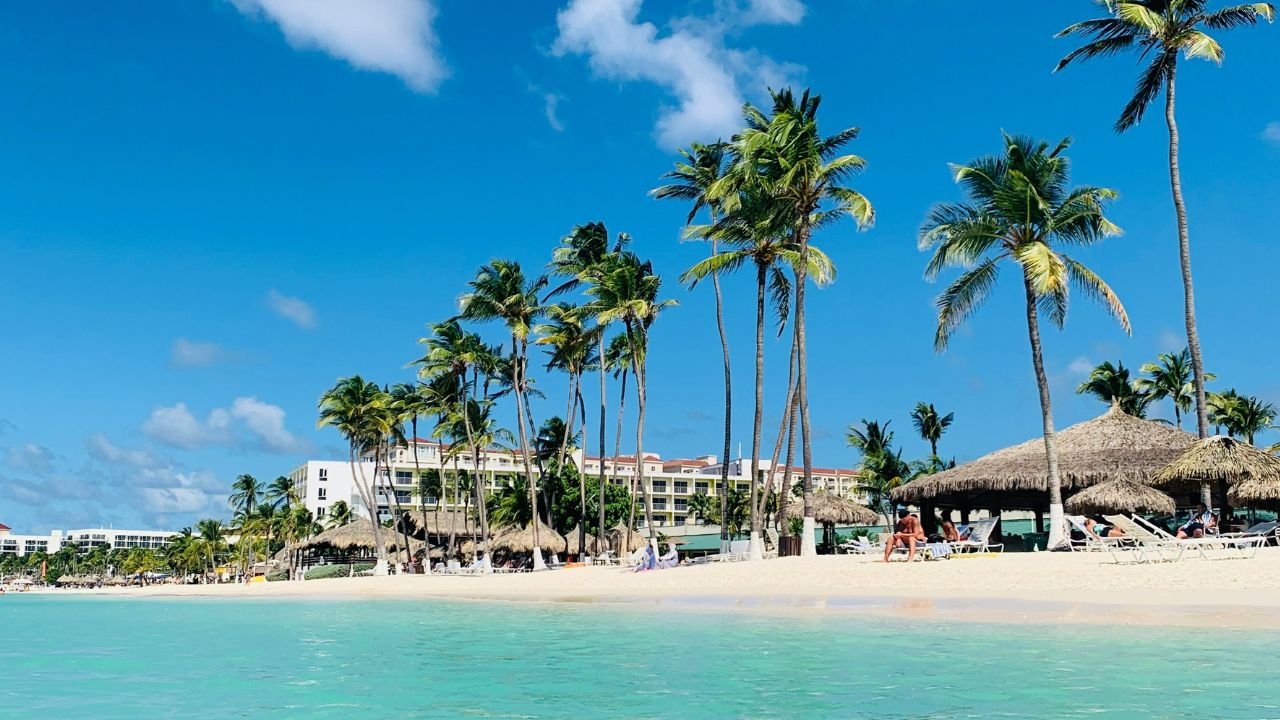
Discover the people, languages, food, music, traditions, history and community spirit that give Aruba its unmistakable identity.
Aruba is often introduced through white-sand beaches, sunshine, and turquoise water, but the island's real personality comes from its people. Aruba has been shaped by Indigenous roots, European colonial history, Caribbean traditions, migration, trade, tourism, and generations of families from many parts of the world.
That mixture is visible everywhere: in the languages people speak, the food served at home and in restaurants, the music heard during Carnival, the architecture of Oranjestad, the murals of San Nicolas, and the easy way many residents move between cultures and languages in everyday life.
“One Happy Island” is Aruba's famous tourism identity, but the phrase works because visitors often experience a place that feels welcoming, multilingual, diverse, relaxed, and proud of its local character.
Aruba's local language is one of the strongest expressions of island identity and is an official language alongside Dutch.
Aruba is home to people from many nationalities and cultural backgrounds living together on a very small island.
Aruba combines Caribbean traditions with a constitutional relationship to the Kingdom of the Netherlands.
Roadmarch, calypso, steelband traditions, dancing, and Carnival are major parts of public cultural life.
Local food reflects Caribbean, Latin American, Dutch, and international influences, often centered around family and community.
Warm greetings, multilingual communication, and a relaxed but respectful social culture strongly shape the visitor experience.
Aruba's cultural story reaches far beyond modern tourism. The island has Indigenous Caiquetio roots, followed by periods of Spanish and Dutch control and centuries of movement between Aruba and nearby Caribbean and South American communities.
Aruba later developed as a constituent country within the Kingdom of the Netherlands. That history helps explain why Dutch institutions, Caribbean traditions, Latin American influences, and local Aruban identity can all exist together.
Historic traces appear in archaeological sites, cave markings, old churches, colonial architecture, gold-mine ruins, traditional cunucu houses, and the older neighborhoods of Oranjestad and San Nicolas.
To understand Aruba beyond the resort zone, spend time in Oranjestad, San Nicolas, museums, local festivals, historic sites, and neighborhoods where daily island life is easier to see.
Papiamento is one of Aruba's official languages and is deeply connected to everyday island life. Aruba.com describes it as an Afro-Portuguese Creole that developed with influences from Dutch, English, and Spanish while keeping its own rhythm, structure, and meaning.
Papiamento became an official language of Aruba alongside Dutch on March 19, 2003. English and Spanish are also widely spoken, which is why many visitors are surprised by how naturally Arubans move between several languages.
Good morning
Thank you
Welcome
Aruba is lovely
You do not need to speak Papiamento to enjoy Aruba, but using a simple “Bon dia” or “Danki” is an easy and respectful way to connect with local culture.
One of Aruba's defining cultural features is its diversity. Official tourism information describes Aruba as home to people from more than 90 nationalities, creating a community shaped by Caribbean, Latin American, European, Asian, and other influences.
That diversity is visible in language, religion, food, music, family traditions, business life, and the island's international outlook. It also helps explain why visitors from very different backgrounds often feel comfortable in Aruba.
The island is small enough that communities overlap constantly. People may work in tourism, government, education, healthcare, family businesses, construction, hospitality, or international companies while maintaining strong neighborhood and family connections.
Aruba often feels international without losing its local identity. That balance — global influences combined with a strong sense of place — is one of the island's defining characteristics.
Food is one of the easiest ways to experience Aruba's multicultural history. Local kitchens combine Caribbean ingredients with Dutch, Latin American, and international influences.
Visitors may encounter pastechi, keshi yena, pan bati, funchi, seafood, stews, fried snacks, Dutch treats, and dishes influenced by nearby Venezuela and Colombia. Local food is not limited to formal restaurants — bakeries, snack bars, food trucks, family businesses, and neighborhood spots are all part of the experience.
Meals are also connected to family gatherings, holidays, birthdays, Carnival, Christmas, Easter, and other community celebrations.
A popular fried pastry often filled with cheese, meat, chicken, or other savory ingredients.
A well-known Aruban dish built around cheese and a seasoned meat filling.
A slightly sweet local cornmeal-style flatbread often served with traditional meals.
Fish and seafood remain an important part of the island's dining culture and Caribbean setting.
Music is central to many Aruban celebrations. Carnival brings roadmarch, calypso, brass, drums, elaborate costumes, dancing, competitions, and large parades into the streets of Oranjestad and San Nicolas.
But Aruba's musical culture extends beyond Carnival. Steelpan traditions, Caribbean rhythms, Latin music, live bands, festivals, church music, and family celebrations all contribute to the island's sound.
Carnival is especially important because it combines music, costume design, choreography, community organization, performance, and local pride into one long season of preparation and celebration.
Read The Aruba Carnival Guide →Aruba's culture is visible in its built environment. Oranjestad combines Dutch-influenced architecture, Caribbean colors, historic buildings, commercial streets, and modern development.
San Nicolas has developed a strong visual-art identity through murals and public art, adding another layer to the city's long cultural history. Visitors can also find churches, traditional homes, museums, old industrial sites, and historic landmarks throughout the island.
Historic buildings, pastel colors, museums, shopping streets, cultural sites, and government institutions.
Murals, local history, Carnival traditions, art, and a different perspective on Aruba beyond the resort district.
“One Happy Island” is Aruba's famous tourism identity. It is not an ancient Papiamento proverb or a literal claim that everyone on the island is happy all the time.
The phrase works as a brand because it reflects qualities Aruba actively presents to visitors: warm weather, easy communication, welcoming hospitality, cultural diversity, a relaxed atmosphere, beautiful natural surroundings, and a small-island sense of connection.
Official Aruba tourism pages repeatedly use the phrase while emphasizing the island's multicultural community, warmth, and welcoming character. Aruba.com describes the island as a place shaped by many cultures and nationalities living together.
For travelers, “One Happy Island” often becomes less about a slogan and more about the feeling of the trip: mornings on the beach, friendly conversations, easy movement between languages, sunset dinners, music, local celebrations, and a pace of life that feels different from home.
Not perfection. Not a promise that every moment is happy. It is Aruba's way of expressing warmth, welcome, diversity, sunshine, community, and the vacation feeling people associate with the island.
A simple greeting goes a long way. “Bon dia” is an easy way to show respect and friendliness.
Eat at local restaurants, visit local shops, book local experiences, and explore beyond the major resort areas.
Do not touch coral, disturb wildlife, leave trash, drive illegally off-road, or damage protected natural areas.
Carnival, Flag Day, religious holidays, and local traditions are meaningful community events, not simply tourist entertainment.
Use good judgment when photographing individuals, private property, ceremonies, or people at work.
Aruba's culture is more complex than resorts and beaches. Take time to understand local history, language, and everyday life.
Carnival is one of Aruba's biggest cultural traditions. Use this guide to understand the season, the major events, the music and costumes, the Grand Parades, King Momo, transportation and what first-time visitors should know.
Aruba Carnival is one of the island's most important cultural traditions. For weeks, Aruba comes alive with music, elaborate costumes, dance, competitions, street celebrations, children's events, lighting parades and spectacular Grand Parades.
For visitors, Carnival is a chance to experience a different side of the island. Generations of families, musicians, designers, dancers and Carnival groups come together to celebrate Aruban creativity and community.
The 2026 season culminated with the Grand Carnival Parade in Oranjestad on Sunday, February 15, followed by the official Carnival Monday holiday on February 16.
Parade dates, start times, routes and event programs change every year. Use this guide to understand Carnival, then check Aruba's current official calendar close to your trip.
Aruba's modern Carnival tradition grew through the island's multicultural community. An early organized parade took place in San Nicolas in 1948, when costumed participants danced through the streets to steelband music during celebrations connected to Queen Wilhelmina's reign.
Celebrations expanded across the island during the following decades. The Stichting Arubaanse Carnaval was established in 1966 to help organize Carnival events and bring the season together.
Today, Carnival is a major expression of Aruba's creativity and community spirit. Costumes are designed, music is written, groups rehearse, floats are prepared and families plan where they will gather along the route.
Carnival is a season rather than a single parade. The exact program changes each year, but these are the experiences visitors will hear about most often.
A nighttime parade associated with the opening of the active Carnival period, filling Oranjestad with lights, music and dancing.
Competitions celebrate presentation, performance, creativity, confidence and Carnival spirit across different age groups.
Soca, calypso, roadmarch and tumba performers compete with songs that become part of the season's soundtrack.
Younger participants have dedicated parades and competitions filled with costumes, music, family crowds and local pride.
Thousands of lights transform costumes, road pieces and floats into one of Carnival's most memorable nighttime experiences.
San Nicolas and Oranjestad bring Carnival groups, live music, elaborate costumes, floats and spectators together for the finale.
San Nicolas has deep ties to Aruba's Carnival history. Its Grand Parade brings music, themed floats, elaborate costumes and dancing through the southern city.
The major Oranjestad Grand Parade traditionally takes place on the Sunday before Ash Wednesday and brings the season toward its official conclusion.
Aruba's season includes soca, roadmarch, calypso and tumba traditions alongside live bands, percussion, brass and songs created to keep participants moving along the route.
Roadmarch is closely connected to the parade experience. Its upbeat, repetitive energy carries Carnival groups through hours of dancing.
Aruba Carnival costumes can combine feathers, sequins, stones, headpieces, themed designs and vivid colors. What spectators see during the parade represents months of creative planning and preparation.
Visitors should keep a respectful distance from performers. Large feathered pieces and headpieces need room to move, and participants may have been dancing in the heat for hours.
The symbolic burning of King Momo marks the official end of Aruba Carnival. After weeks of music, costumes, competitions and parades, the ceremony closes the season before the island begins preparing to celebrate again.
In 2026, Aruba's official schedule placed the King Momo ceremony immediately after the Oranjestad Grand Parade at the Oranjestad Harbor Arena.
Hosts major events including the Torch Parade, lighting parade and season-ending Grand Parade. Expect significant crowds and traffic changes on major event days.
Has deep ties to Aruba's Carnival history and hosts major celebrations of its own, including lighting and Grand Parade events.
A little preparation makes a long Carnival day safer, easier and more enjoyable.
Popular viewing areas can become crowded well before the parade reaches them.
Wear breathable clothing, comfortable shoes, sunscreen, sunglasses and a hat.
Parades can last for hours in warm Caribbean weather. Carry water and take breaks.
Know where you will park, walk or meet your ride before road closures begin.
Bring only what you need and keep phones, wallets and valuables secure in crowds.
Follow local directions, keep participants' paths clear and give costumes room.
Major parade days can change normal traffic patterns for hours. Plan the ride as carefully as the viewing area.
Streets along and around parade routes may close before the event and remain restricted until crowds and participants clear.
A car is useful for an Aruba vacation, but parking near major Carnival events can be difficult. Park legally and expect to walk.
Arrange pickup locations away from closed roads and confirm plans before the parade, when demand may be higher.
Dates, routes and times can change. Confirm the current official schedule before relying on a specific event plan.
The busiest Aruba Carnival events take place in the weeks before Ash Wednesday. Because the Carnival calendar changes with Easter, exact dates are different every year.
The 2026 Grand Carnival Parade in Oranjestad took place on Sunday, February 15, 2026.
Yes. Carnival Monday is an official holiday in Aruba. In 2026 it fell on February 16, the day after the Oranjestad Grand Parade.
Major Aruba Carnival parades and events are held in Oranjestad and San Nicolas, with additional community and children's events scheduled throughout the season.
Many Aruba Carnival events are suitable for families, including dedicated children's parades and youth events. Late-night adult celebrations may have a different atmosphere.
Many spectators watch from public areas along the parade routes. Private seating, grandstands, parties or special viewing areas may require reservations or payment.
Spectators should wear lightweight clothing and comfortable shoes. For daytime events, use sunscreen and bring a hat, sunglasses and water.
Major parades can continue for many hours. How long you watch depends on your location along the route and when the parade reaches your viewing area.
You can drive toward the general area, but road closures and parking restrictions make advance planning important. Expect to park farther away and walk.
King Momo is a symbolic Carnival figure. The ceremonial burning of King Momo marks the official end of Aruba's Carnival season.
Soca, roadmarch, calypso, tumba, live bands, percussion and brass are all part of Aruba's Carnival sound.
Check the official Aruba Tourism Authority Carnival calendar close to your travel dates because dates, start times, locations and routes can change.
Aruba's holiday calendar reflects the island's history, culture, religious traditions, Dutch Kingdom ties, national identity and love of celebration. Use this guide to understand the official 2026 dates, major local observances, possible closures and what travelers should plan around.
Some holidays are quiet family days, while others fill the streets with music, flags, parades, food and community events. For visitors, holidays can be one of the best times to experience Aruba's culture.
Public holidays can also affect opening hours, government services, banks, public transportation, tours, restaurants and local traffic, so a little planning can prevent surprises.
These dates follow the Government of Aruba's official 2026 holiday calendar.
Thursday, January 1, 2026
Sunday, January 25, 2026
Monday, February 16, 2026
Wednesday, March 18, 2026
Friday, April 3, 2026
Monday, April 6, 2026
Monday, April 27, 2026
Friday, May 1, 2026
Thursday, May 14, 2026
Friday, December 25, 2026
Saturday, December 26, 2026
New Year's celebrations in Aruba are energetic, family-oriented and festive. Fireworks, music, dinners, hotel events and private celebrations make this one of the liveliest periods of the year.
Reserve restaurants, transportation, rental cars and special events early.Dia di Betico honors Gilberto “Betico” Croes, an important Aruban political leader associated with the movement toward Aruba's Status Aparte within the Kingdom of the Netherlands.
In 2026 the official holiday falls on Sunday, January 25.Carnival Monday is an official public holiday and follows the major final Carnival weekend. The full Carnival history, 2026 dates and visitor planning guide are already included above on this page.
Open the Aruba Carnival guide →March 18 celebrates Aruba's flag, anthem, national identity and cultural heritage. Aruba's flag and the national anthem “Aruba Dushi Tera” were officially adopted on March 18, 1976.
Check local opening hours while enjoying cultural events respectfully.Aruba officially observes Good Friday and Easter Monday. Easter is an important religious and family period, with church services, family gatherings and some businesses operating holiday schedules.
Confirm supermarket, pharmacy, restaurant, rental and transport hours.King's Day reflects Aruba's constitutional relationship within the Kingdom of the Netherlands. Orange may appear in decorations, clothing and celebrations.
Government offices and some businesses may close.Labor Day is observed on May 1. Ascension Day is also an official holiday and falls on Thursday, May 14 in 2026.
Banks, government offices and some local businesses may use reduced hours.Christmas is an important family holiday in Aruba, with decorated homes, lights, church services, family meals, hotel celebrations and seasonal events throughout December.
Christmas and New Year are also one of Aruba's busiest tourism periods.Not every business follows the same schedule, but public holidays can affect services across the island.
Most government offices are generally closed on official public holidays.
Banks may close on official holidays. ATMs and online services can remain available.
Some stores close, while others operate reduced or special holiday hours.
Many tourist-area restaurants remain open, but reservations may be important on major holidays.
Many tours continue, but departure times and availability can change during celebrations.
Taxi, bus, transfer and rental schedules may differ on holidays. Confirm arrangements in advance.
Verify restaurants, supermarkets, attractions, banks and transportation before the holiday begins.
Major holiday periods can increase demand for tours, rental cars, restaurant tables and airport transfers.
Parades and cultural celebrations can cause temporary road closures and congestion.
National and religious holidays are meaningful local occasions, not only tourist entertainment.
Holiday schedules can change. Build some flexibility into your itinerary and transportation plans.
Aruba's official public holidays include New Year's Day, Dia di Betico, Carnival Monday, National Anthem and Flag Day, Good Friday, Easter Monday, King's Day, Labor Day, Ascension Day, Christmas Day, and Boxing Day.
Carnival is one of Aruba's biggest and most colorful cultural celebrations, with parades, music, costumes, dancing, and events held over an extended season.
Carnival Monday is Monday, February 16, 2026.
March 18 is National Anthem and Flag Day. Aruba's flag and anthem were officially adopted on March 18, 1976.
Dia di Betico is observed on January 25 and honors Aruban political leader Gilberto “Betico” Croes.
Some shops and local businesses close or operate reduced hours. Tourist-area businesses may remain open. Always check specific opening hours.
Many restaurants in tourist areas remain open, but hours can change and popular holiday meals may require reservations.
Many tours and activities continue operating, but schedules and availability can differ. Confirm directly with the operator.
Transportation can remain available, but schedules and availability may differ from normal days. Confirm current bus, taxi, or transfer information in advance.
Yes. Christmas and New Year are popular travel periods, so accommodations, restaurants, tours, rental cars, and flights can book well in advance.
Yes. King's Day is an official public holiday on April 27 and reflects Aruba's place within the Kingdom of the Netherlands.
Fixed-date holidays remain on their calendar dates, while movable religious and Carnival-related holidays change each year. Always confirm the current official calendar before traveling.
From snorkeling and sunset cruises to island adventures, beaches, local food and family-friendly activities, Aruba offers a wide range of ways to experience the island. Use this section to narrow down the kind of day that fits your trip.
Planning a trip to Aruba should be exciting, not overwhelming. With so many tours, activities, beaches, restaurants and excursions available, it helps to organize the island by the type of experience you actually want.
Whether you're visiting for a romantic getaway, family vacation, cruise stop or island adventure, start with one or two must-do experiences and leave enough open time to enjoy Aruba at a relaxed pace.
Open each category for a quick explanation of what makes it different.
Catamaran cruises combine time on the Caribbean Sea with sightseeing, snorkeling, social atmosphere and coastal views.
Explore Aruba's clear water, marine life, coral formations and popular snorkeling areas while matching the experience to your swimming ability.
Discover Aruba's rugged side through remote coastline, rocky landscapes, natural attractions and scenic viewpoints. Choose the vehicle and route that fit the experience you want.
Aruba's Natural Pool is surrounded by dramatic volcanic rock formations and is typically reached as part of an appropriate island or park experience.
Watch the sunset from the water and enjoy a slower Caribbean evening with open views back toward Aruba's coastline.
Eagle Beach is known for wide white sand, turquoise water and Aruba's iconic fofoti trees, making it ideal for an unhurried beach day.
Guided snorkeling experiences may visit areas where sea turtles can be observed responsibly in their natural environment.
Explore caves, desert landscapes, wildlife and dramatic coastal scenery across one of Aruba's most important protected natural areas.
Discover fresh seafood, local favorites and the Caribbean, Latin American, Dutch and international influences found across Aruba's food scene.
Families can combine calm beaches, boat trips, snorkeling, cultural stops, wildlife experiences and outdoor adventures based on age and comfort level.
Choose a sailing experience built around snorkeling, ocean views, a social atmosphere or a Caribbean sunset.
Discover Aruba's rugged landscapes, scenic coast and natural attractions while choosing the route and vehicle that fit the area being explored.
Enjoy Aruba's beaches, local flavors and easygoing experiences without turning every vacation day into a scheduled tour.
Compare bookable Aruba tours and activities in one place and book at no extra cost.
Good morning
Good afternoon
Good evening
Welcome
Thank you
Please
How are you?
Very good
Aruban culture is multicultural and shaped by Indigenous, Caribbean, Dutch, Latin American, African, and international influences. Language, music, food, family, Carnival, religion, art, and hospitality all contribute to modern island culture.
“One Happy Island” is Aruba's famous tourism identity. It reflects the island's welcoming atmosphere, cultural diversity, sunshine, hospitality, and relaxed vacation experience rather than being an ancient local saying.
Papiamento and Dutch are Aruba's official languages. English and Spanish are also widely spoken.
Papiamento is Aruba's local Creole language. It has Afro-Portuguese roots and developed with influences from Dutch, Spanish, and English.
Papiamento became an official language of Aruba alongside Dutch on March 19, 2003.
Popular examples include pastechi, keshi yena, pan bati, funchi, seafood dishes, stews, snacks, and foods influenced by Dutch, Caribbean, and Latin American cooking.
Carnival is one of Aruba's largest cultural celebrations, combining music, dancing, costumes, parades, competitions, and community participation.
Aruba is a Caribbean island and a constituent country within the Kingdom of the Netherlands. Its culture combines local Caribbean identity with Dutch and many other influences.
Friendly greetings, respectful behavior, patience, care for nature, and consideration for local communities are always appreciated. Learning a few Papiamento words is a nice gesture.
Explore Oranjestad, San Nicolas, museums, murals, cultural festivals, Carnival, local restaurants, historic sites, markets, churches, and neighborhoods outside the resort area.
Yes. Aruba's official tourism information describes a population representing more than 90 nationalities, making multiculturalism an important part of everyday life.
It means “Aruba is lovely” or “Aruba is sweet/nice,” using the widely used Papiamento word “dushi.”
Tell Aruba Vibes Daily your dates, group size and what kind of day you want.
Local recommendations, new experiences and practical island tips, sent occasionally.