Menu
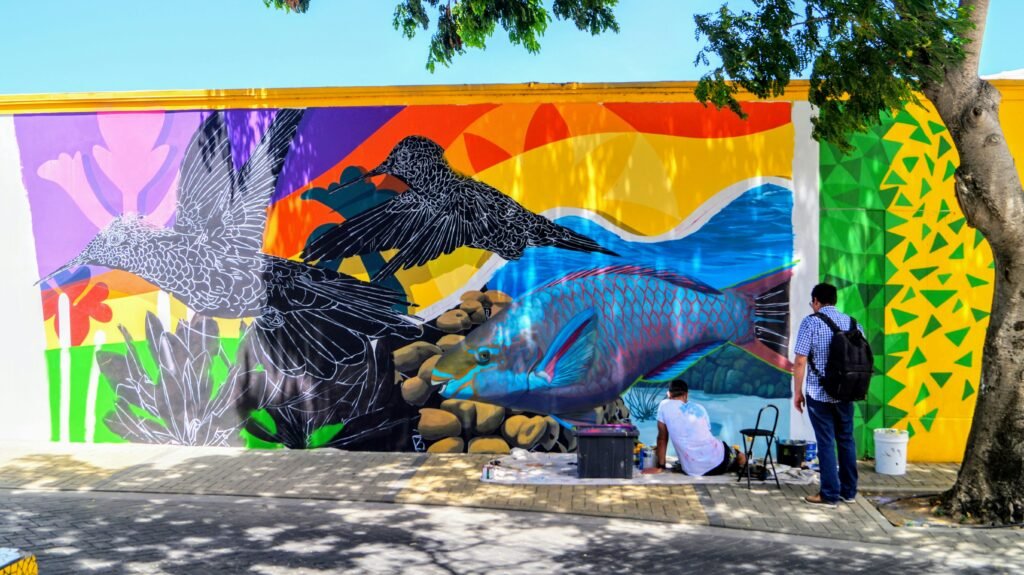
Aruba wildlife mural featuring native birds and Caribbean reef life
Aruba Vibes Daily Wildlife Guide

Meet Aruba's Wildlife

Discover the endemic birds and reptiles found nowhere else, plus the sea turtles, beach creatures, bats and reef life that make Aruba much more than a beach destination.

8 animals profiled Endemic species explained Responsible viewing guidance
Wildlife On A Desert Island

What Makes Aruba's Animals Special?

Aruba's dry interior, limestone terraces, wetlands, caves, beaches and Caribbean waters create several very different habitats on one compact island. Aruba Conservation Foundation reports that Aruba is home to dozens of endemic species, including animals that occur naturally nowhere else on Earth.

Not every animal seen in Aruba belongs in the same category. Some are endemic, some occur naturally across a wider Caribbean range, some migrate through the island, and others live in or visit the surrounding sea. Knowing the difference makes every sighting more meaningful.

Aruba's Island Icons

Four Endemic Animals To Know

These birds and reptiles are central to Aruba's natural identity. Sightings are never guaranteed, and every animal should be observed quietly from a respectful distance.

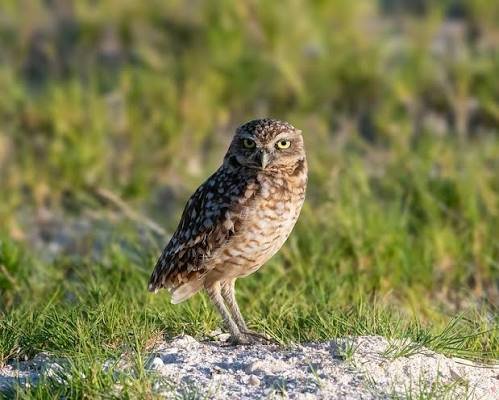
Shoco, the Aruban burrowing owl
01Endemic bird

Shoco, Aruban Burrowing Owl

The Shoco is Aruba's endemic burrowing owl and one of the island's national symbols. Unlike owls that nest in trees, it depends on open ground and burrows, which makes undisturbed habitat especially important.

Where it lives
Dry open country and protected natural areas
When active
Often during cooler morning, evening and nighttime hours
Visitor rule
Never approach a burrow or crowd an owl for a photo
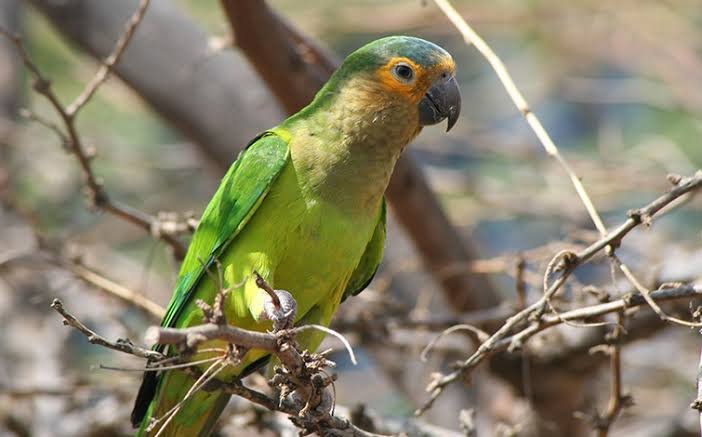
Prikichi, the Aruban brown-throated parakeet
02National bird

Prikichi, Aruban Parakeet

The bright green Prikichi is Aruba's national bird and the island's distinctive brown-throated parakeet. Its green plumage blends surprisingly well with vegetation, but its lively calls can reveal a flock first.

Where it lives
Wooded areas, gardens and dry island habitats
How to notice it
Listen for noisy groups moving overhead
Visitor rule
Watch from a distance and never feed wild birds
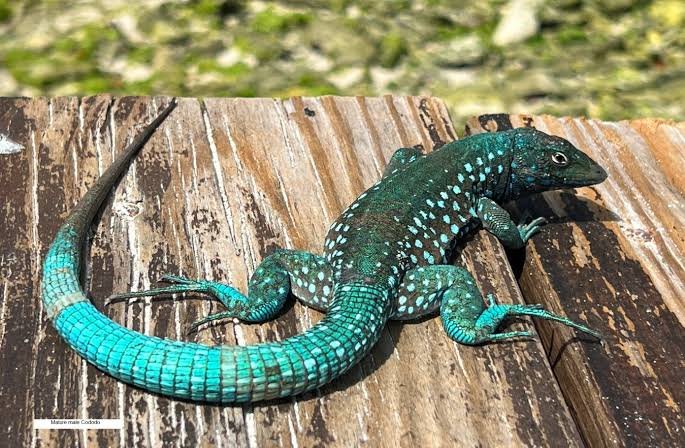
Blue male Cododo, the Aruban whiptail lizard
03Endemic lizard

Cododo, Aruban Whiptail

The quick-moving Cododo is one of the reptiles visitors are most likely to notice. Adult males can display vivid turquoise-blue coloring, while females and younger animals are more subdued and patterned.

Where it lives
Rocky ground, gardens, trails and sandy terrain
When active
Daytime, especially while the ground is warm
Visitor rule
Let it move freely and never chase or catch it
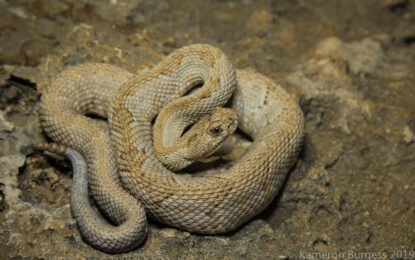
Cascabel, the endangered Aruba Island rattlesnake
04Endemic and endangered

Cascabel, Aruba Island Rattlesnake

The rare Cascabel occurs naturally only in Aruba and is best associated with remote rocky habitat in and around protected nature. It is venomous, endangered and protected, so a sighting should always be treated seriously and respectfully.

Where it lives
Remote, dry and rocky natural terrain
How it behaves
Camouflaged and generally intent on avoiding people
Visitor rule
Stop, keep well back and never handle or corner it
Look Without Disturbing

Where Aruba's Wildlife Lives

Wild animals follow habitat, weather and food rather than a visitor schedule. These locations can help you understand where to look without promising a sighting.

01

Arikok's Dry Interior

Cactus country, rocky slopes and protected landscapes support reptiles, birds, bats and other desert-adapted life. Stay on allowed routes and never collect plants, rocks or animals.

02

Wetlands And Bird Areas

Bubali Bird Sanctuary and Aruba's protected wetlands can attract native and migratory birds. Quiet observation and binoculars are better than approaching nesting or resting birds.

03

Beaches After Sunset

Ghost crabs become easier to notice as beaches quiet down. During turtle season, marked nests and conservation barriers must remain completely undisturbed.

04

Reefs And Seagrass

Aruba's marine protected areas include coral, mangrove and seagrass habitat used by fish, crustaceans and young marine animals. Float above the reef and never stand on coral.

Coast, Caves And Caribbean Sea

Four More Animals To Watch For

These species are part of Aruba's wider natural story. Some live on the island, some use its beaches, and others belong to the surrounding marine ecosystem.

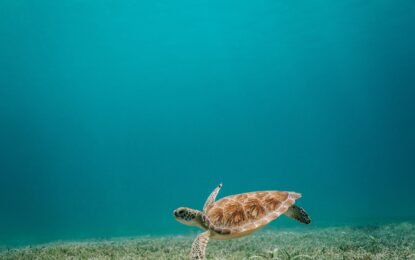
Sea turtle swimming in clear Caribbean water
05Protected marine visitors

Aruba's Sea Turtles

Leatherback, green, loggerhead and hawksbill turtles nest on Aruba. Turtugaruba identifies the island's active nesting and hatching season as generally running from March through December.

Where to notice them
Marked beach nests or, with luck, in coastal water
What threatens them
Light, beach obstacles, pollution and harassment
Visitor rule
No touching, flash, bright light or crowding
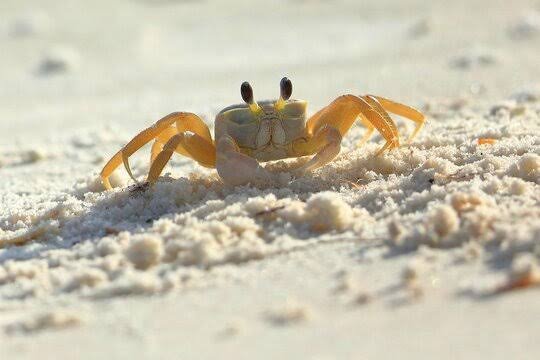
Atlantic ghost crab on pale sand in Aruba
06Beach resident

Atlantic Ghost Crab

Pale coloring helps this fast crab blend into Aruba's sand. Look for small burrow openings and freshly moved sand, especially when the shoreline becomes cooler and quieter.

Where it lives
Burrows above the regular waterline on sandy beaches
When active
Often near sunset and at night
Visitor rule
Do not dig into burrows or chase crabs with lights
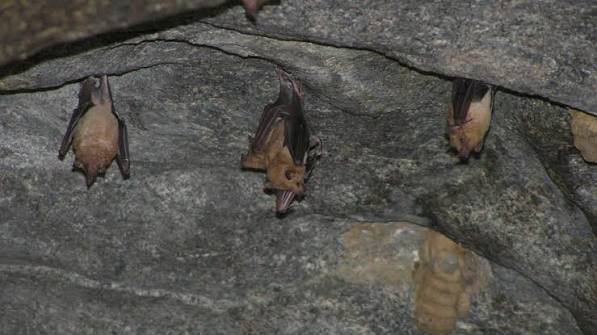
Bats resting inside a cave in Aruba
07Night wildlife

Aruba's Bats

Aruba's caves shelter important bat colonies. The island has insect-eating and fruit- or nectar-feeding species, all best appreciated without entering roost space or shining lights directly at resting animals.

Where they shelter
Caves and other dark, protected roosts
When active
After sunset
Visitor rule
Never touch, wake or block the flight path of a bat
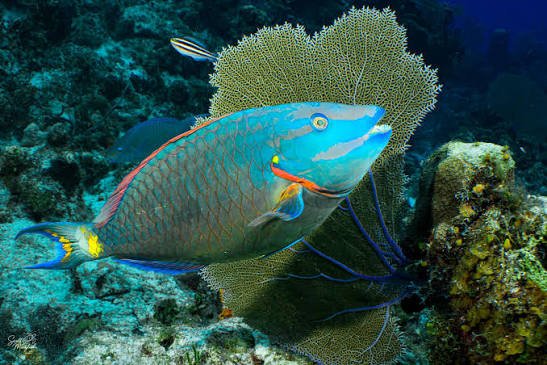
Colorful parrotfish on an Aruba reef
08Marine wildlife

Tropical Reef Fish

Parrotfish, damselfish and many other species use Aruba's coral, rocky reef and seagrass habitat. Their colors are memorable, but the health of the habitat matters more than getting close for a photograph.

Where to notice them
Reefs, rocky coast and seagrass habitat
How to observe
Float calmly and let fish set the distance
Visitor rule
Never feed fish, touch coral or stand on the reef
Wildlife Fact Check

What Is Wild, Native Or Introduced?

01

Flamingos Are Famous, But Not Native

Aruba's pink flamingos are associated with the private Renaissance Island experience. They are not native wild residents that visitors should expect to find roaming across Aruba's public beaches.

02

Donkeys And Goats Were Introduced

Both have a long and visible place in Aruba's modern landscape and culture, but neither is endemic wildlife. Their presence should not be confused with animals that evolved naturally on the island.

03

A Sighting Is Never Guaranteed

Wildlife is affected by time of day, season, weather, habitat and human activity. A responsible guide explains where animals may occur without promising a close encounter.

Editorial reference: Species and conservation guidance in this guide was checked against the Aruba Conservation Foundation, the Aruba Tourism Authority wildlife guide and Turtugaruba. Conditions and conservation rules can change, so follow current signs and ranger instructions during your visit.
Protect What You Discover

How To Watch Wildlife Responsibly

The best wildlife encounter leaves the animal behaving exactly as it did before you arrived.

  1. 01

    Give Wildlife Space

    If an animal changes direction, stops feeding, calls repeatedly or watches you closely, you are probably too near.

  2. 02

    Never Feed Or Touch

    Feeding changes natural behavior and can make wildlife dependent, aggressive or sick. Touching can injure both people and animals.

  3. 03

    Protect Nests And Burrows

    Do not cross barriers, move markers, dig into sand, stand over burrows or crowd birds, turtles and hatchlings.

  4. 04

    Keep The Reef Intact

    Use reef-safe habits, maintain buoyancy, secure loose gear and never stand on, kick, collect or remove coral.

  5. 05

    Stay On Approved Routes

    Protected landscapes are fragile. Follow signs and ranger instructions, and remember that motorized vehicles are prohibited in protected nature areas.

  6. 06

    Leave No Trace

    Carry out every piece of trash, fishing line and cigarette waste. Do not take shells, plants, rocks or wildlife home.

Aruba Wildlife FAQ

Questions Travelers Ask

What animals are unique to Aruba?

Aruba has endemic animals and distinct Aruban subspecies, including the Cascabel or Aruba Island rattlesnake, the Cododo or Aruban whiptail, the Shoco or Aruban burrowing owl, and the Prikichi or Aruban brown-throated parakeet.

What is Aruba's national bird?

The Prikichi is recognized as Aruba's national bird. The Shoco, Aruba's endemic burrowing owl, is also an official national symbol.

Is the Cascabel dangerous?

The Cascabel is venomous and should never be approached, handled or cornered. It is also rare, endangered and protected. Keep well back and allow the snake space to move away.

When is sea turtle season in Aruba?

Turtugaruba states that sea turtle nesting and hatching activity generally runs from March through December. Timing varies by species and nest, and no hatching can be guaranteed.

Which sea turtles nest in Aruba?

Four species nest on Aruba's beaches: leatherback, green, loggerhead and hawksbill turtles. All turtles, nests, eggs and hatchlings must be left untouched.

Are flamingos native to Aruba?

No. Aruba's famous pink flamingos are associated with Renaissance Island, a private-island experience. They are not native wild birds found across Aruba's public beaches.

Where can visitors notice wildlife in Aruba?

Possible wildlife habitats include Arikok's dry interior, Bubali Bird Sanctuary and other wetlands, quiet beaches, caves, reefs and seagrass areas. Sightings depend on season, weather and animal behavior.

Can visitors feed or touch Aruba's wild animals?

No. Aruba Conservation Foundation rules prohibit disturbing, trapping, collecting or feeding flora and fauna in protected areas. The safest rule everywhere is to watch quietly and leave wildlife undisturbed.

Plan With Confidence

Turn Wildlife Curiosity Into A Better Aruba Trip

Compare bookable Aruba experiences in one place, book at no extra cost, and ask us on WhatsApp when you need a local planning answer.

Aruba Travel Updates

Get Useful Aruba Tips Before You Go

Join Aruba Vibes Daily for practical planning ideas, beach guidance and island inspiration delivered by email.

Loading
No spam. Unsubscribe whenever you want.